ZEUSX ONE-PIECE SPINNING ROD Review: 17 Powerful Reasons It’s a Game-Changing Rod
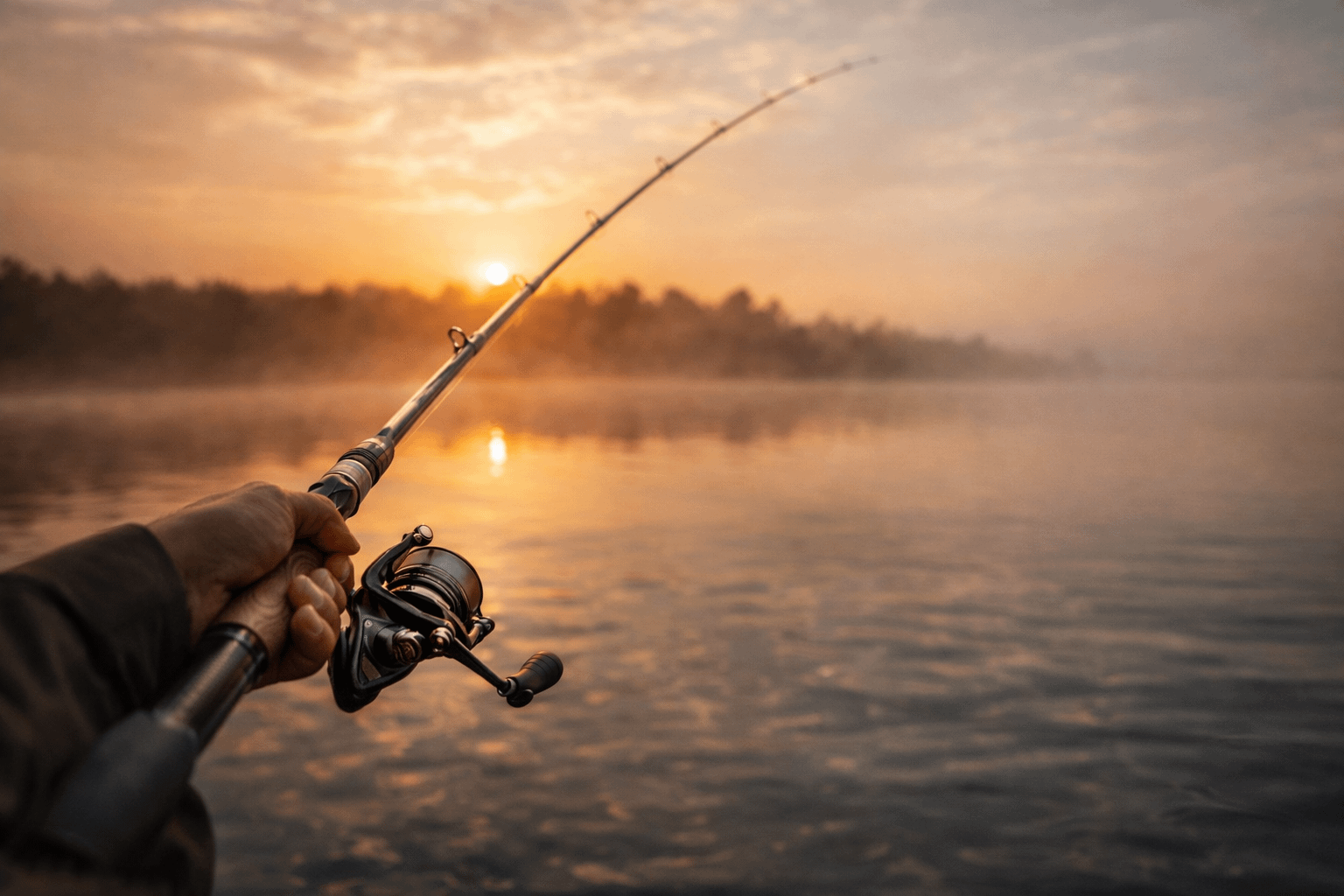
If you’ve ever wished your spinning rod could “talk back” the instant a fish breathes on your bait, this is the review you want. The ZEUSX ONE-PIECE SPINNING ROD is built to feel like an extension of your hand—crisp, balanced, and absurdly connected. And yes: you can save 10% with code MICHELLEBAHR when you grab it.
Let’s set the scene. You’re standing on the bank at first light. The water has that glassy, “something’s about to happen” look. You make a cast, let your lure settle, and start a slow, careful retrieve. Then it happens—something tiny. Not a slam. Not a tug. Just a faint tick that most rods would swallow like it never existed.
On the right rod, that tick feels like a whisper in your fingertips.
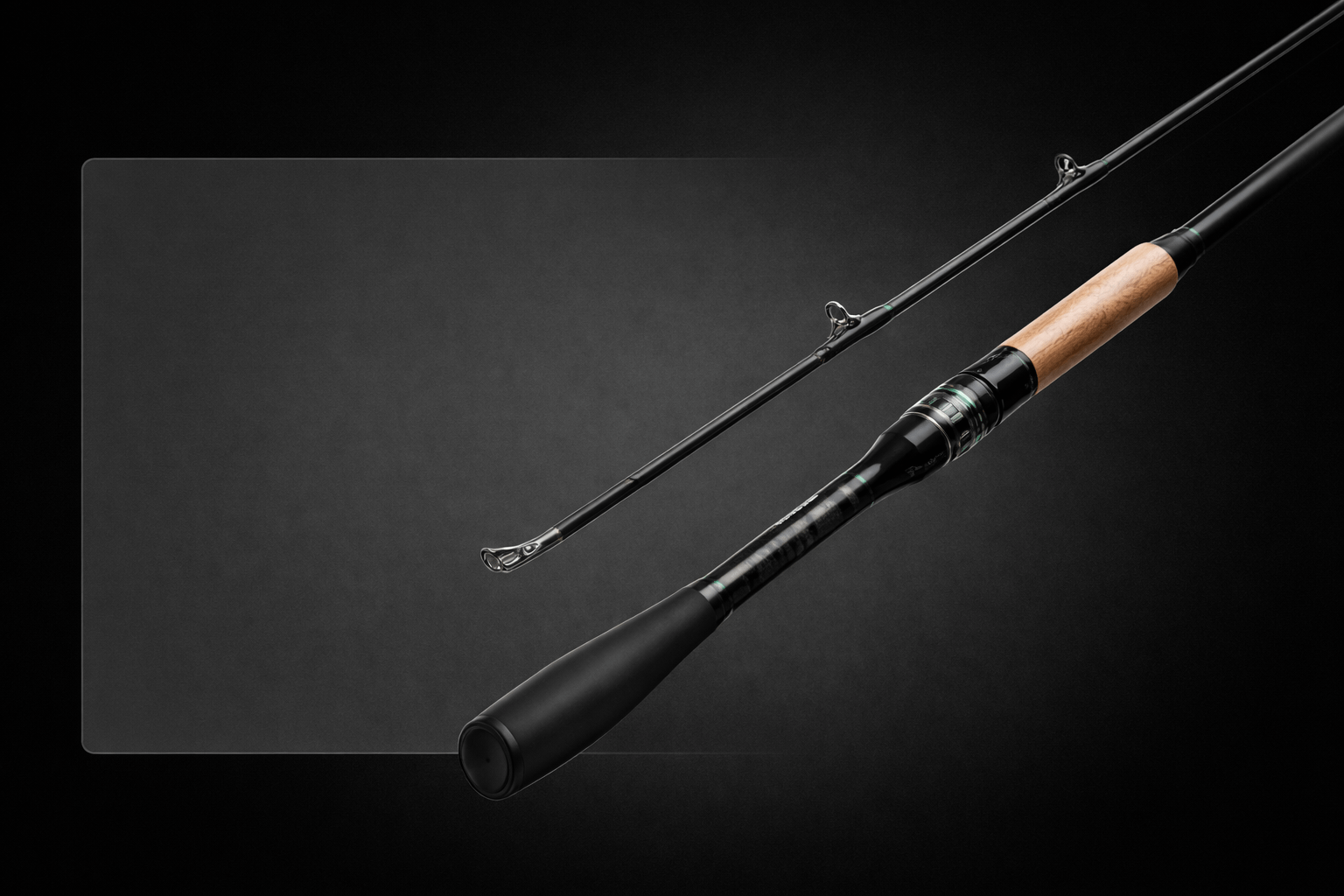
That’s the promise of the ZEUSX ONE-PIECE SPINNING ROD: a one-piece build designed to maximize vibration transfer, paired with a high-modulus 30T carbon blank, Fuji guides, and a handmade wooden grip that’s equal parts performance and craftsmanship. The product listing also includes free 7-day returns, a 1-year warranty, and a 100% money back guarantee—all confidence-boosters if you’re picky (and you should be).
The 10-Second Feel Test: What You Notice the Moment You Pick It Up
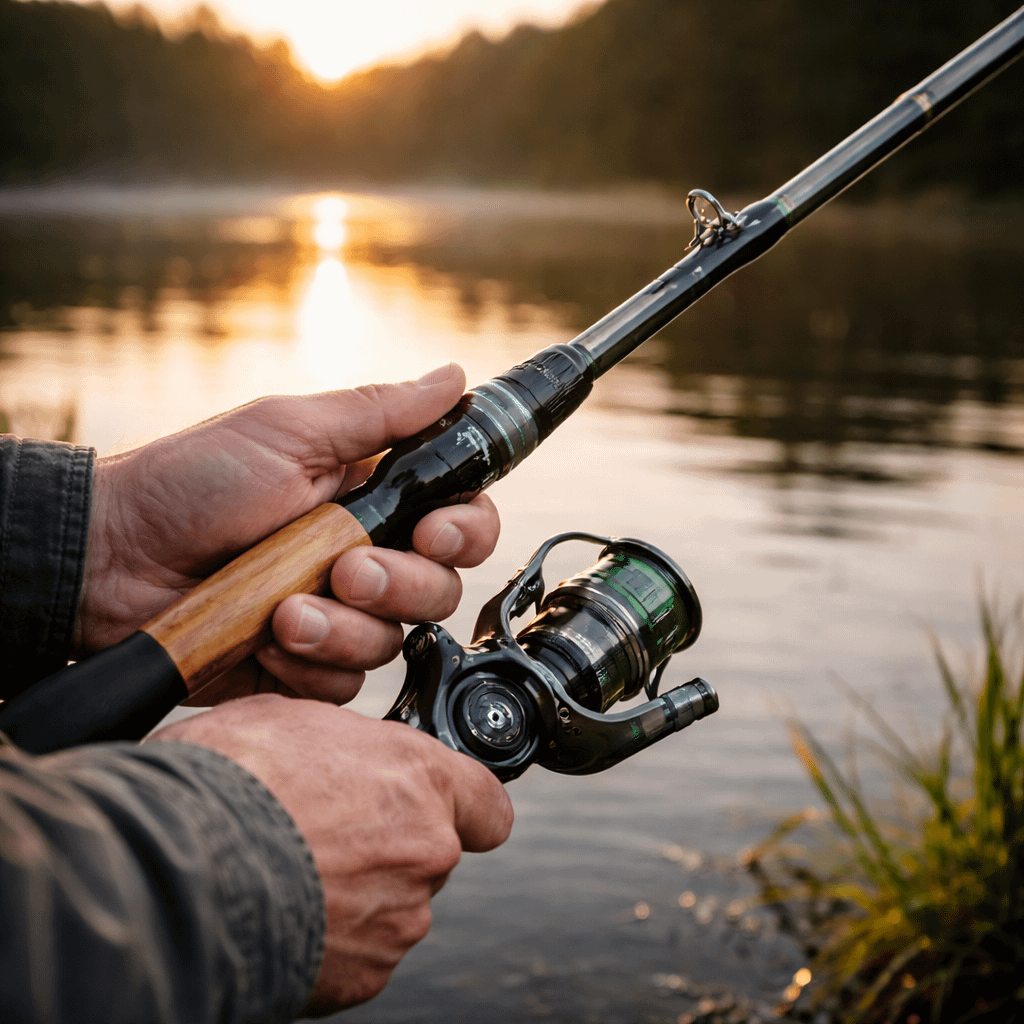
You can learn a lot about a rod in 10 seconds—before you ever tie on a lure.
- Balance: Does the tip want to nose-dive, or does the rod sit neutral in your grip?
- Grip feel: Is the handle comfortable, “alive,” and secure—even when your hands are wet?
- Blank feedback: Tap the blank lightly. Does that tap feel sharp and immediate, or dull and delayed?
Here’s what stands out on the ZEUSX: the one-piece construction tends to feel “continuous.” No hinge point. No weird transition where the rod seems to change personality. That continuity matters because a lot of what we call “sensitivity” is really just clean signal travel—vibration moving from tip to grip without getting softened along the way.
And the grip? The handmade wooden handle isn’t just for looks. Wood can add a small amount of mass in the right place, helping the rod feel more balanced (less tip-heavy) while still staying comfortable for long sessions. The listing also highlights a split-grip design aimed at control and leverage—especially for jigging and bottom contact techniques.
Quick Specs Snapshot (M vs MH) + What Those Numbers Really Mean
Let’s keep this beginner-friendly. Rod specs look like a secret code until someone translates them into real-life fishing.
Two ZEUSX options:
- 7′ Fast Action Medium (M)
- 7’3″ Fast Action Medium-Heavy (MH)
Core specs from the product listing:
- Rod type: Spinning
- Action: Fast
- Pieces: 1 (one-piece)
- Power: M / MH
- Line rating: 8–16 lb (M) / 8–20 lb (MH)
- Lure rating: 3/16–1.5 oz (M) / 1/2–2 oz (MH)
- Guides: 8 + 1
What “Fast Action” means (simple version): the rod bends more toward the tip than down into the handle. That usually gives you:
- Sharper bite feel (great for finesse)
- Faster hooksets (especially with single hooks)
- More control when hopping jigs or dragging plastics
What “Power” means: it’s basically the rod’s backbone. Medium is more forgiving and finesse-friendly. Medium-heavy gives you more muscle for bigger baits, heavier heads, and pulling fish out of grass or cover.
Quick pick:
- Choose 7′ Medium if you love finesse, lighter heads, and a more “do-everything” feel.
- Choose 7’3″ Medium-Heavy if you fish heavier jigheads, bigger plastics, or need more authority in cover.
Why One-Piece Rods Feel “More Connected”
People argue about one-piece versus two-piece rods like it’s a sports rivalry. Here’s the calm truth:
One-piece rods often feel more direct because there’s no ferrule (joint) interrupting how the blank flexes and how vibration travels. Many anglers describe a small sensitivity loss around a joint on multi-piece rods, and they also point out that balance can change compared to a one-piece build.
Dead spots, joints, and vibration transfer—plain-English version
Imagine snapping a jump rope. If the rope is one continuous piece, the wave travels cleanly. If you add a stiff connector in the middle, that wave can change. Fishing rods aren’t jump ropes, but the idea is similar: a joint can alter how energy moves and how the rod loads under pressure.
That’s why the ZEUSX leans into a one-piece design—the goal is a smoother, more predictable “signal path.” If your favorite fishing involves bottom contact (jigs, shaky heads, Ned rigs, tubes), that clean signal can feel like cheating.
When a one-piece isn’t the “best” choice: travel, storage, and transport. If you drive a small car, live in an apartment, or hike into spots, a one-piece can be a pain. You gain feel and lose convenience. That tradeoff is real.
30T Carbon Fiber Blank: Sensitivity, Strength, and the “Sweet Spot” Tradeoff
The ZEUSX blank is built from high-modulus 30T carbon fiber. You’ll often hear “30T” described as a sweet spot: light, crisp, and sensitive—without going so extreme that the rod becomes overly delicate.
What “30T” means in real life (no fluff)
“30T” is commonly used as a shorthand for carbon fiber grade/modulus marketing. Higher modulus materials are generally stiffer for their weight, which helps reduce overall rod weight and can improve sensitivity. But there’s a tradeoff: higher modulus blanks can be less forgiving if abused (think high-sticking a fish, or a rod tip getting pinched in a door).
The ZEUSX listing claims the blank is engineered to handle serious pressure and emphasizes a multi-layer construction for a crisp, ultra-light feel. In plain terms: it aims for that “light in the hand, loud in the fingertips” experience that finesse anglers love.
Beginner note: A sensitive rod doesn’t automatically catch more fish. But it helps you respond faster—set the hook when you should, and avoid pulling the bait away when you shouldn’t. It’s like having better headphones. The music doesn’t change—but you hear more of it.

Fuji Guides: Smooth Line Flow, Less Friction, More Control
Guides are the unsung heroes of a spinning rod. They control the line, reduce friction, and spread load along the blank when a fish is pulling back.
The ZEUSX is outfitted with Fuji guides, and the listing calls them out for smooth, durable line flow, longer casts, and reduced wear/tangles. Fuji is widely recognized in the rod-building world, and many guide layouts inspired by Fuji’s “concept” systems focus on controlling line quickly and efficiently—especially helpful with braided lines on spinning reels.
Why you (as a normal human) should care:
- Smoother casting: less line slap, better distance with the same effort.
- Better durability: good inserts and frames hold up to braid and heavy use.
- More consistent retrieves: your line behaves, so your lure behaves.

Handmade Wooden Grip + Split Grip Design: Comfort You Can Feel
Let’s talk about the part you actually touch all day.
The ZEUSX uses a handmade wooden grip—and the product description leans hard into craftsmanship: unique grain, classic look, and durability that doesn’t crumble like cheap cork or soak like some foams.
But the bigger performance win is how the grip can change the feel of the rod:
- Grip security: a well-finished wood handle feels solid and confident in the hand.
- Micro feedback: subtle taps often feel cleaner when your hand is on a rigid, well-seated handle.
- Fatigue control: comfort + balance means you fish longer without your wrist begging for mercy.
Balance, leverage, and fatigue on long sessions
The listing also highlights a split-grip concept aimed at keeping weight down while tightening balance—especially useful for jigging and finesse work. That’s the kind of design detail you appreciate most on hour three, not minute three.
Human moment: pick up a well-balanced rod and your body relaxes. Your shoulder drops. Your wrist stops fighting the tip. That’s when fishing becomes fun again—and you fish better because you’re not tense.

Choosing Your ZEUSX: 7′ Medium vs 7’3″ Medium-Heavy
This is the part that saves people money. Choosing the right version matters more than choosing the “best” version.
7′ Fast Action Medium (M): who it’s for
- You like finesse and want to feel everything.
- You fish lighter jigheads, smaller plastics, and subtle presentations.
- You want a “daily driver” spinning rod that covers a lot of ground.
Best pairings: 2500–3000 size spinning reel, 10–15 lb braid to an 8–12 lb leader, and lures in the lower-to-mid range of the rating.
7’3″ Fast Action Medium-Heavy (MH): who it’s for
- You throw heavier heads, bigger plastics, or fish around cover.
- You want more backbone for bigger hooks and bigger fish.
- You like longer rods for extra casting distance and leverage.
Best pairings: 3000–4000 size reel, 15–20 lb braid, and leaders that match your water clarity and cover.
Simple rule: If you’ve ever said, “I wish I had more power,” go MH. If you’ve ever said, “I wish I could feel that bite better,” go M.
Pros vs Cons
| Pros ✅ | Cons ⚠️ |
|---|---|
|
|
Techniques This Rod Loves
Here’s where the ZEUSX personality really shows up. A fast action, sensitive spinning rod shines when the bait is supposed to do something subtle—and you need to know exactly what it’s doing.
1) Ned rig
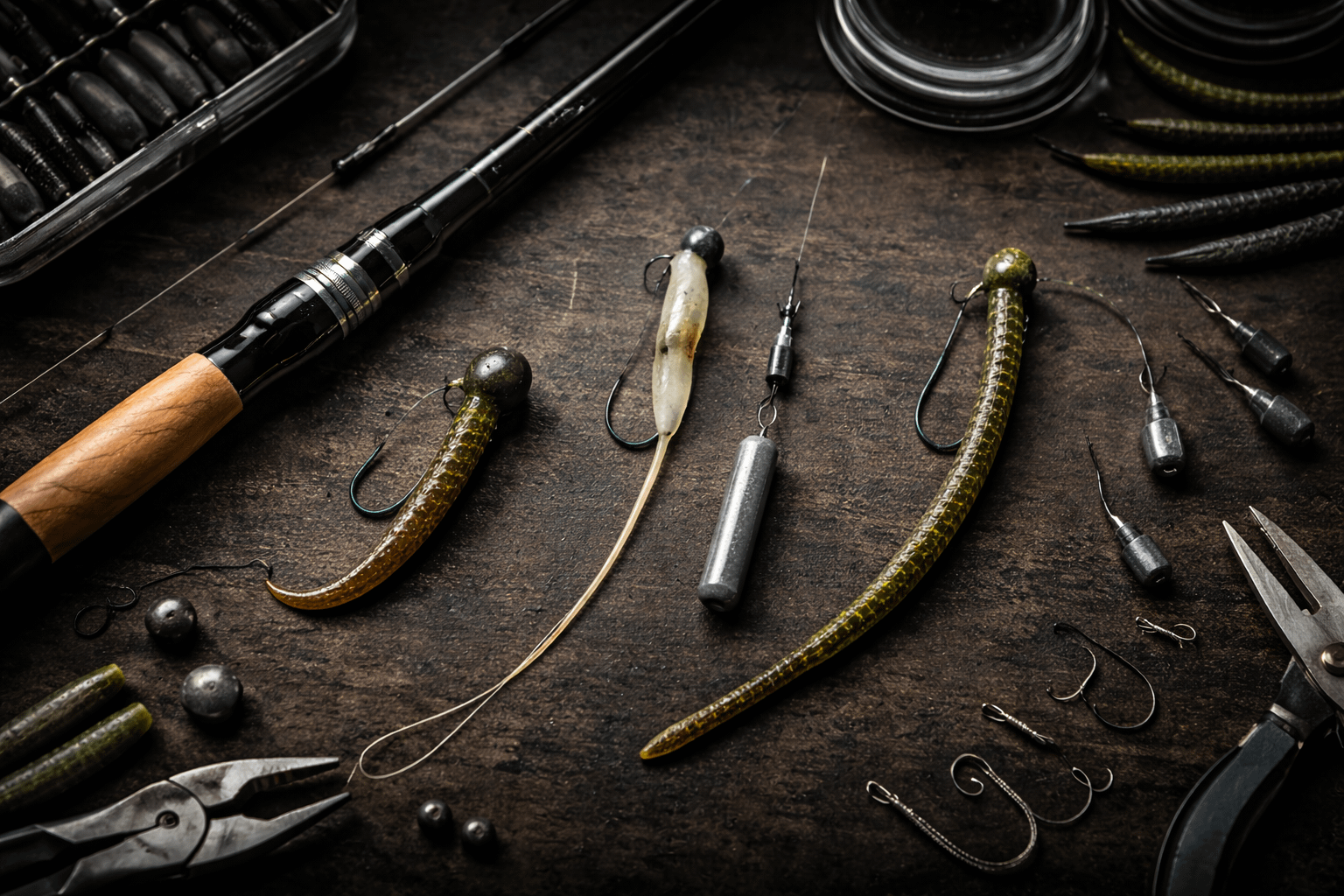
The Ned rig is basically a snack-sized soft plastic on a small jighead. The bites can be weird—little ticks, pressure, or just “the line doesn’t feel right.” A sensitive rod helps you detect those non-dramatic bites and respond without yanking the bait away.
2) Drop shot
Drop shot bites can be sneaky. The fish often sucks the bait in place. With a responsive blank, you can feel the difference between “weight on the bottom” and “mouth on the bait.” That’s the difference between guessing and knowing.
3) Shaky head
If you like dragging and lightly shaking a worm on the bottom, you’re basically asking your rod to be a translator. Sand, rock, grass, wood—each one sends a different message. The ZEUSX is built to pass those messages along.
Want the best deal? Use code MICHELLEBAHR at checkout to save 10% on the ZEUSX.
Matching Reels, Line, and Leaders Without Overthinking It
If you’re newer, this part can feel like a maze. Here’s the simple approach:
- Pick a reel size that balances the rod: most anglers land in the 2500–3000 range for Medium, and 3000–4000 for Medium-Heavy.
- Use braid for feel: braid has low stretch, so it helps you detect light bites.
- Add a leader when needed: fluorocarbon leaders can be less visible and handle abrasion better.
Starter setups that work:
- Medium (7′): 10–15 lb braid + 8–12 lb leader
- Medium-Heavy (7’3″): 15–20 lb braid + 10–17 lb leader
Quick tip: Keep your drag honest. A sensitive rod helps you feel bites; a good drag helps you land fish without breaking light leaders.
Care, Transport, and Tip Safety
One-piece rods are awesome… until you treat them like they’re indestructible. They’re not. Rod tips are designed to be light and responsive, which can also make them easier to damage if they’re mishandled.
Three habits that protect your investment:
- Use a sleeve and avoid letting the tip bounce around in the car.
- Never “high-stick” a fish (don’t lift with the rod bent into a deep U near the tip).
- Don’t pinch the blank in doors, lids, or tight storage straps.
The brand’s warranty notes that tip breaks are one of the most common real-world issues and are often caused by accidents rather than manufacturing defects—so smart transport and storage really matters.
Real-World Value: What You’re Paying For
Let’s be blunt: most spinning rods can “work.” You can catch fish on a budget rod, a hand-me-down rod, even a rod that’s missing a guide insert (not recommended, but you get the point).
So why do anglers pay for a premium build like this?
You’re paying for signals and control.
- Signals = what the lure is doing, what the bottom feels like, what a bite feels like, and what your hook is touching.
- Control = how cleanly you cast, how confidently you move the bait, and how effectively you fight the fish.
The ZEUSX leans into those two goals using a few specific “performance multipliers”:
- One-piece construction to keep the blank’s feel continuous from tip to grip.
- 30T carbon blank to keep weight down and responsiveness up.
- Fuji guides for smoother casting and reliable line management.
- Handmade wooden grip that adds comfort, balance, and craftsmanship.
What you’re NOT paying for: a rod that magically hooks fish for you. This rod won’t replace good decisions (like choosing the right bait, slowing down, or fishing the right water). It simply makes your decisions better because you can feel more and react faster.
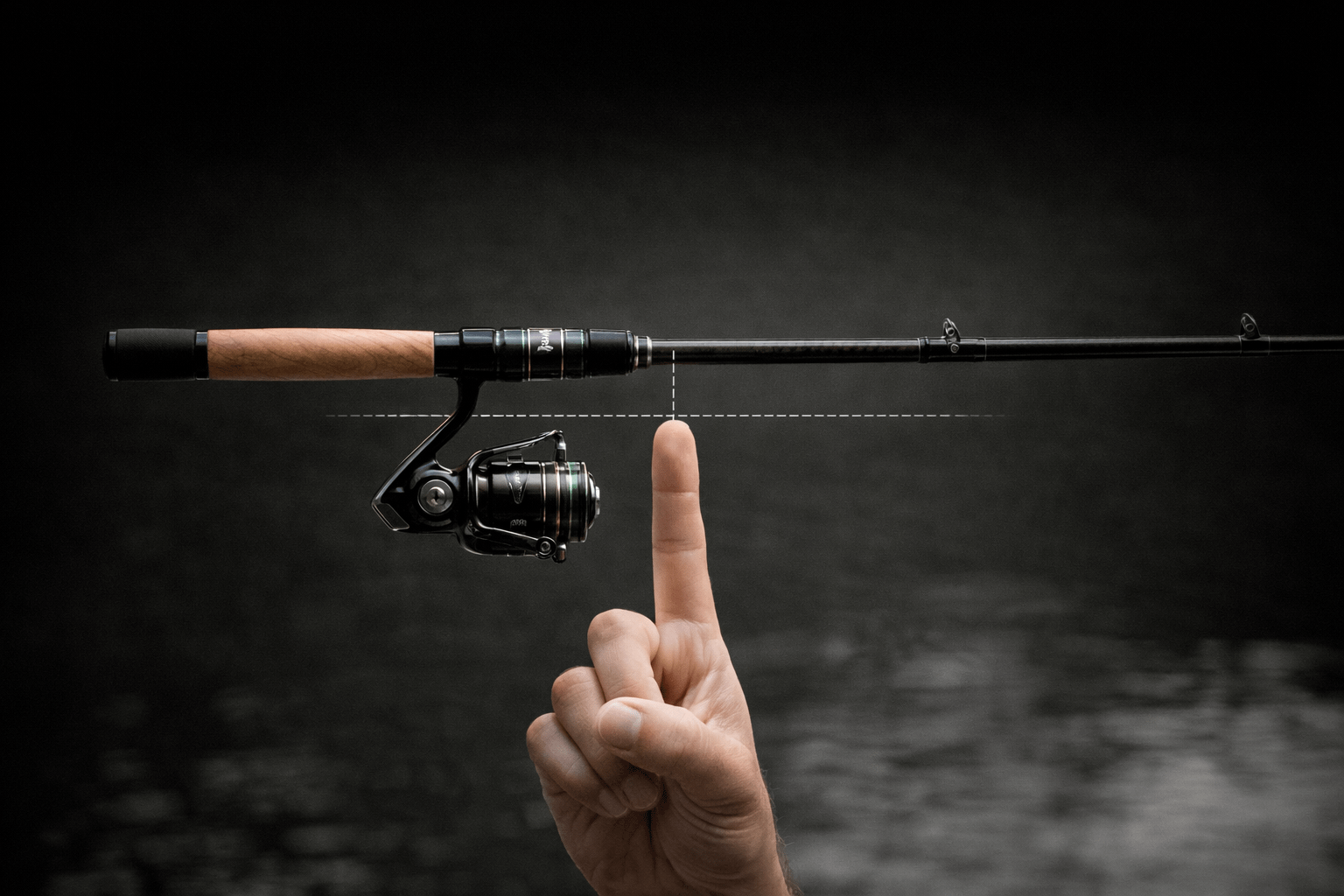
The “Feel” Factor: How Sensitivity Actually Shows Up on the Water
New anglers hear “sensitive rod” and think it means only one thing: feeling bites.
But sensitivity shows up in four sneaky ways—especially with bottom-contact fishing:
1) Bottom composition feels different
On a more responsive blank, sand feels like a soft shhhhh. Gravel feels like tiny taps. Rock feels like a firm tick-tick. Grass feels “mushy,” like your lure is pulling through Velcro. Once you learn those signals, you stop guessing and start reading the lake floor.
2) Your lure tells you when it’s working
A shaky head that’s shaking right has a rhythmic pulse. A swimbait tail thumping correctly feels like a steady heartbeat. If that pulse changes, something changed—maybe you picked up a leaf, maybe the bait is fouled, or maybe a fish is holding it.
3) Slack-line bites become easier to detect
A lot of finesse bites happen when your line isn’t tight. A fish inhales the bait and moves slightly. With a crisp rod and low-stretch line, you’ll often see the line jump, or feel a “nothing” sensation that still tells you something’s off.
4) You fish slower… without getting bored
This is the underrated part. When you can feel what’s happening, slow fishing becomes interesting. You’re not just waiting—you’re listening. That’s when finesse starts catching fish that everybody else “missed.”
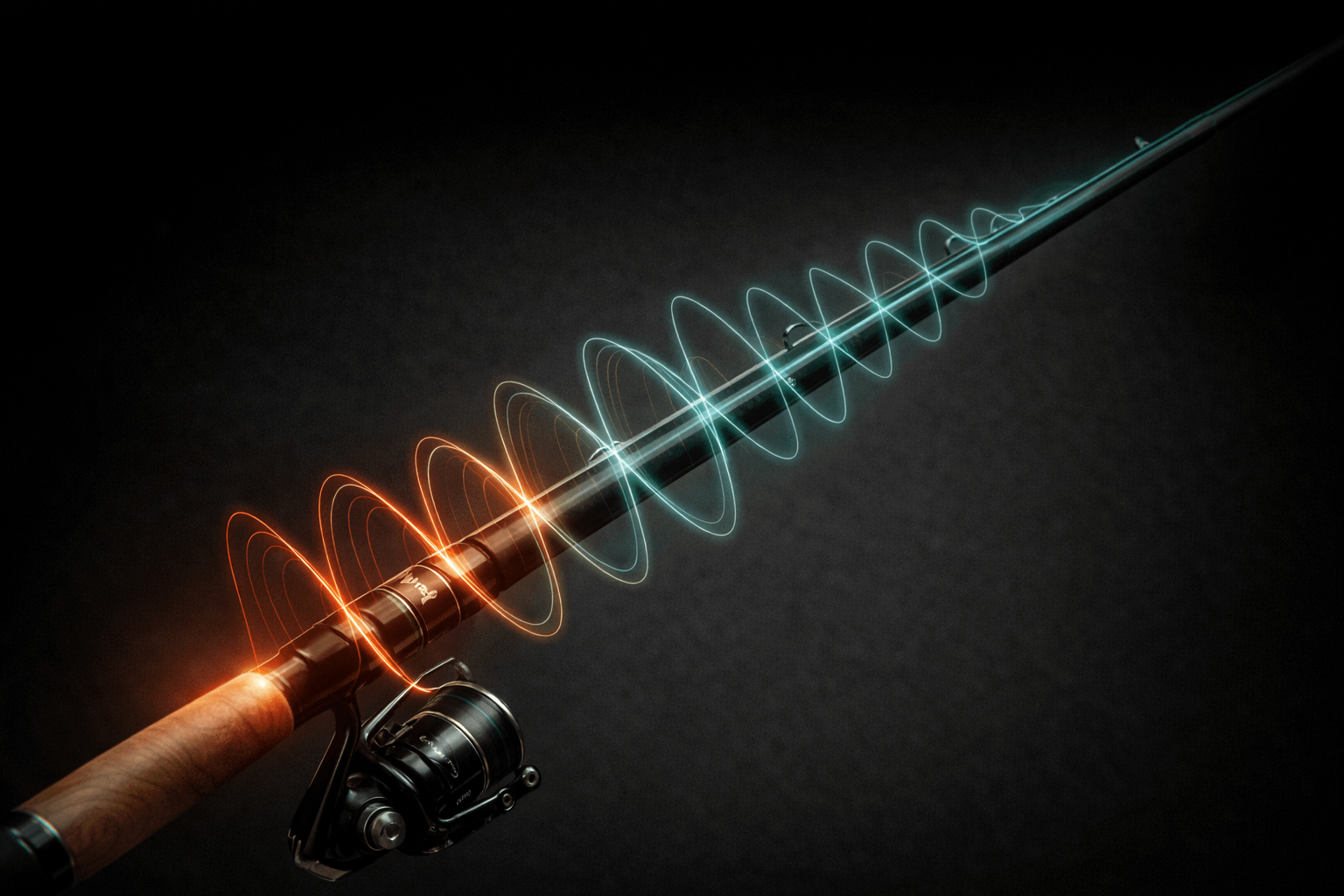
Beginner-Friendly Setup: Reel, Line, Knots, and Drag
If you want the simplest, most forgiving setup that still lets the rod shine, build it like this:
Step 1: Choose a balanced reel size
- 7′ Medium: 2500–3000 size reel
- 7’3″ Medium-Heavy: 3000–4000 size reel
Balance check: Hold the rod like you’re fishing. If the tip constantly wants to drop, your setup may feel heavy up front. If the reel feels like a brick, your setup may feel heavy in the handle. A balanced combo feels “neutral,” like it wants to stay level in your hand.
Step 2: Choose line that matches your goal
For maximum sensitivity: braid mainline (low stretch) + leader when needed.
- Finesse (M): 10–15 lb braid + 8–12 lb leader
- Power finesse (MH): 15–20 lb braid + 10–17 lb leader
Why this works: braid helps transmit bites and bottom feel; leaders help with abrasion resistance and stealth in clearer water.
Step 3: Tie two knots you can trust
- Leader connection: FG knot (best) or double uni (easiest)
- Lure knot: improved clinch (easy) or Palomar (strong and simple)
Beginner tip: Whatever knot you choose, tighten it slowly and wet the line. Fast tightening creates heat and weakens line.
Step 4: Set drag like a grown-up
Drag is your shock absorber—especially with braided line and fast-action rods.
Quick drag test: With your rod tip up, pull line from the reel with steady pressure. It should come off smoothly with a firm pull. If it yanks in bursts, back it off slightly. If it pours out like water, tighten it a bit.
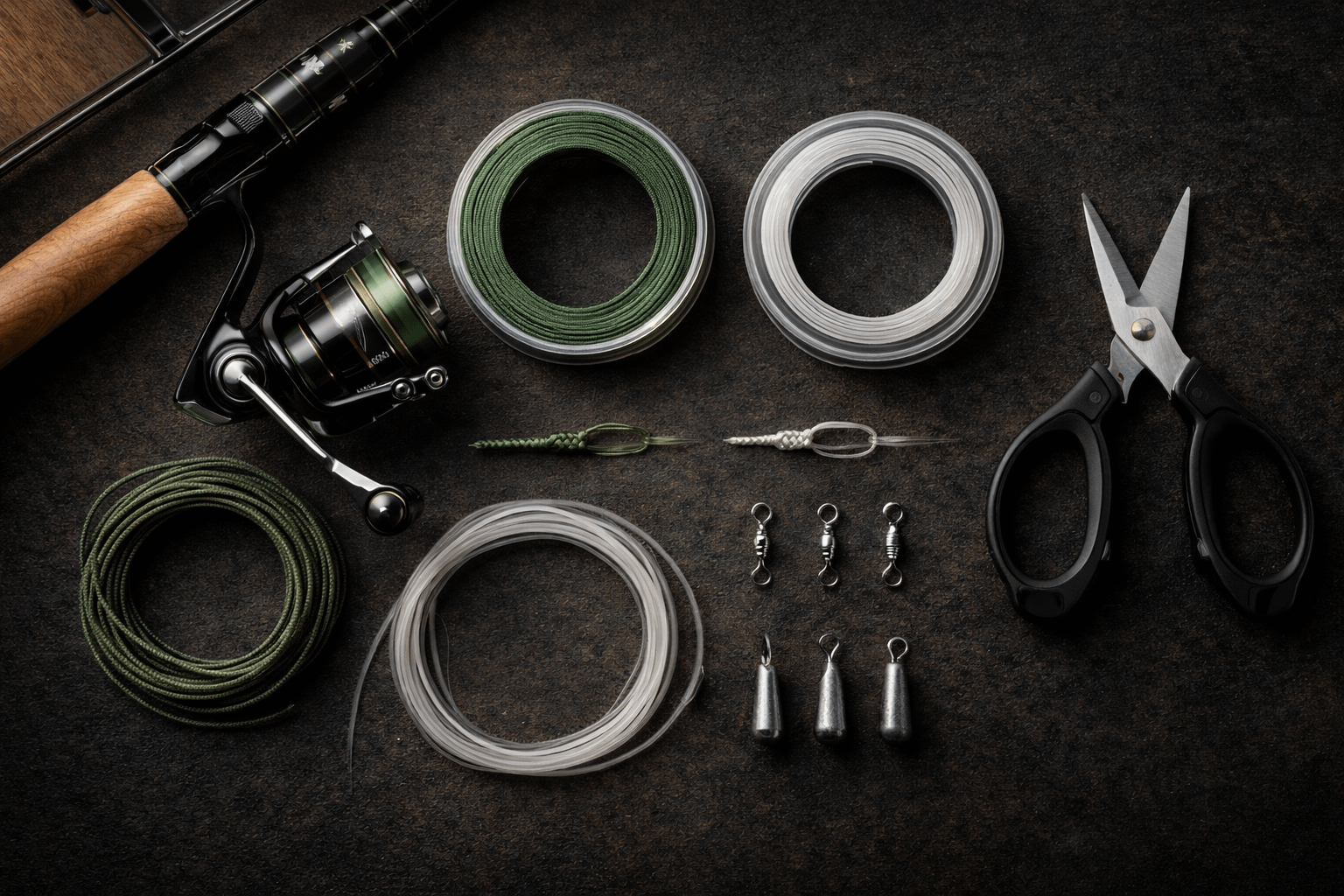
Technique Playbook Expanded: What to Throw and How to Fish It
This section is designed so a new angler can read it and immediately go catch fish. No fancy language, no “secret sauce” nonsense—just practical steps.
Finesse Bucket: “Light Bites, Big Results”
Ned Rig
- Where: rocks, flats, edges of grass, docks
- How: cast, let it hit bottom, then do slow drags with tiny pauses
- Bite sign: line jumps, mushy weight, or it just feels “different”
Beginner win: If you don’t feel a bite, set the hook on anything suspicious. You’ll be right more often than you think.
Drop Shot
- Where: deeper points, ledges, around bait balls, suspended fish
- How: keep the weight on the bottom, gently shake the slack
- Bite sign: steady pressure or tiny taps that stop when you pause
Beginner win: Don’t yank. Lift and reel until the line is tight, then sweep.
Shaky Head
- Where: hard bottom, transition areas, sparse cover
- How: drag slowly and lightly “buzz” the rod tip
- Bite sign: tick, pressure, or a sudden “dead” feeling
Power Finesse Bucket: “More Backbone, Still Subtle”
Tube Jig
- Where: rocks, drop-offs, edges of points
- How: hop it like a small crawfish, pause often
- Bite sign: a sharp tick or your hop gets “stuck”
Small Jigs (finesse jigs)
- Where: docks, laydowns, brush edges
- How: short hops and controlled drags
- Bite sign: feels like you bumped a rubber band
Paddletail Swimbaits (on a jighead)
- Where: grass lines, open water, around baitfish
- How: steady retrieve, then add small pauses
- Bite sign: thump-thump turns into thump-STOP
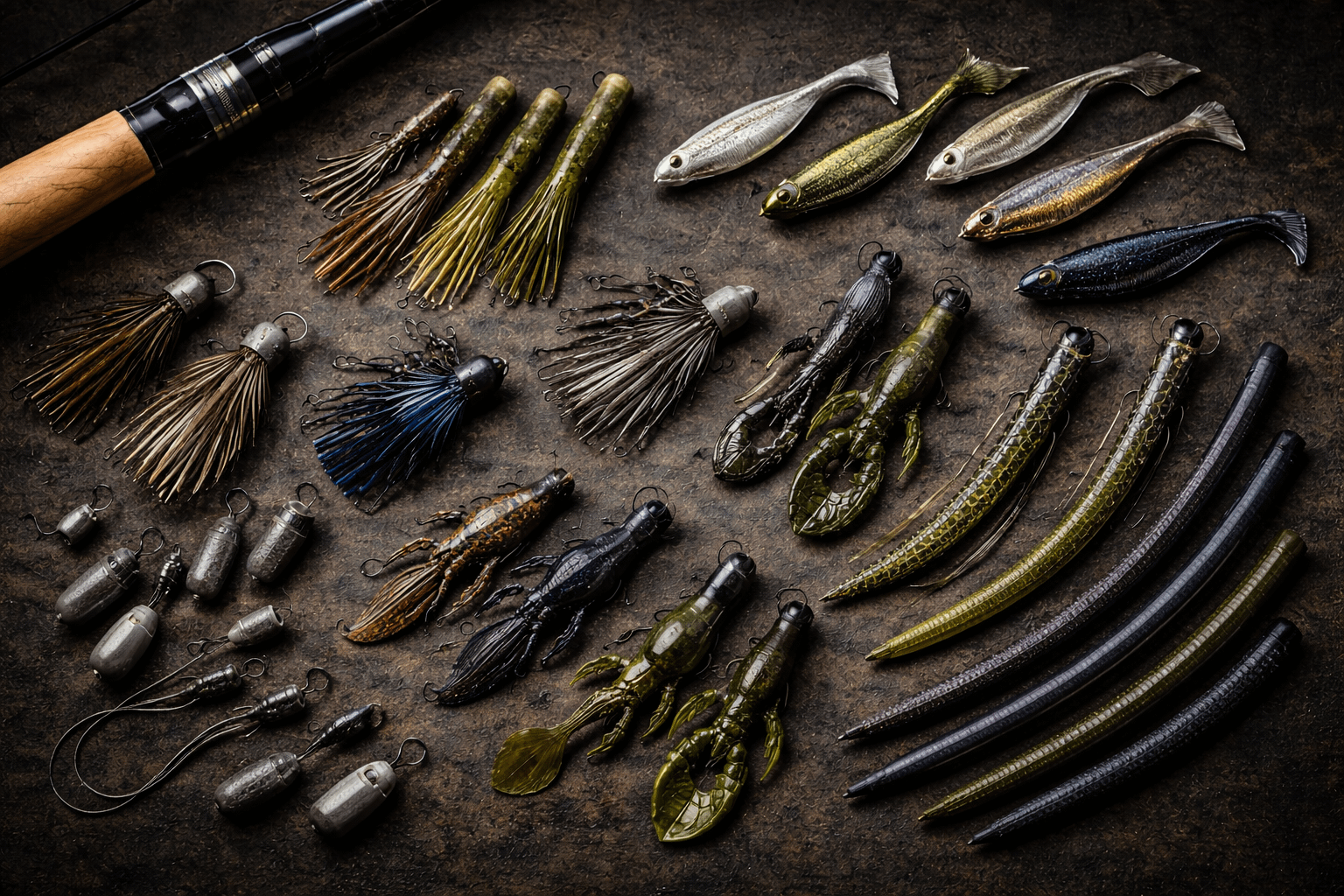
Line + Lure Matching Chart
Most “rod disappointment” comes from mismatch: too heavy a lure on a Medium, too light a lure on a Medium-Heavy, or line that fights the guides and kills distance.
| Fishing Goal | Best Rod Choice | Line Suggestion | Lure Range (Practical) |
|---|---|---|---|
| Ned rig, drop shot, shaky head | 7′ Medium | 10–15 lb braid + 8–12 lb leader | 3/16–3/4 oz (sweet spot) |
| Tube jig, small jig, heavier heads | 7’3″ MH | 15–20 lb braid + 10–17 lb leader | 1/2–1.5 oz (sweet spot) |
| Swimbaits (jighead), bigger plastics | 7’3″ MH | 15–20 lb braid | 3/4–2 oz (within rating) |
| All-around “one rod” spinning use | 7′ Medium | 15 lb braid + leader as needed | 1/4–1 oz |
Simple rule: If your lure is at the extreme top end of the rating all the time, you probably need the heavier power.
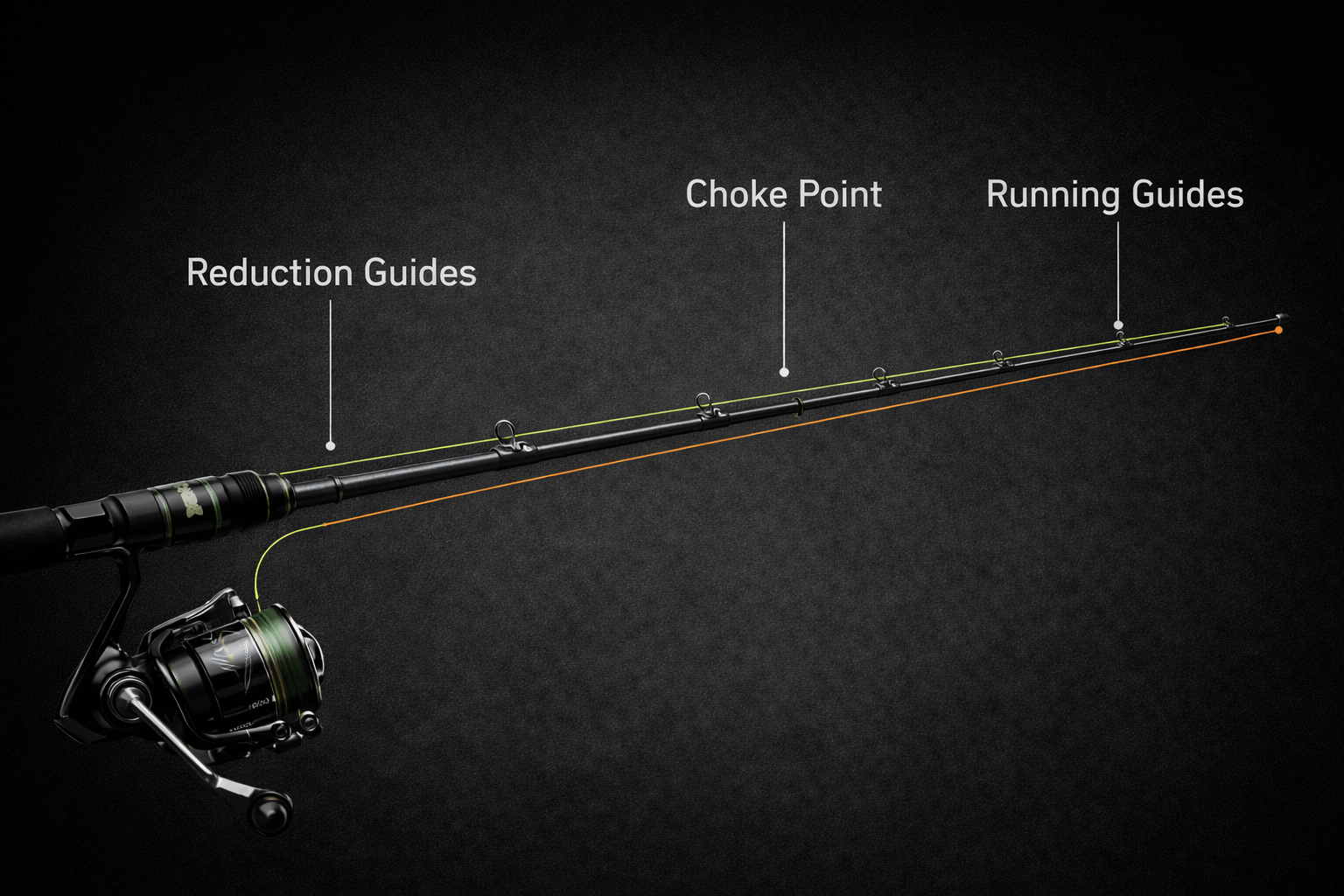
Fuji Guides, Casting, and Line Control: The Practical Benefits
Here’s what “better guides” actually feels like in the real world:
- Cleaner casts: less line slap and fewer weird loops coming off the spool.
- More consistent distance: not just a lucky bomb cast once—good distance over and over.
- Less frustration with braid: braid behaves… until it doesn’t. Quality guides help keep it civilized.
If you want to nerd out (in a good way), here’s a useful external resource on guide train layout concepts often associated with Fuji KR-style thinking:
Anglers Resource: KR Guide Placement Software (Spinning)
Who This Rod Is For
Let’s save you time.
You’ll love this rod if…
- You care about feeling bottom contact and detecting light bites.
- You fish finesse or power finesse and want a rod that feels “wired in.”
- You like premium details—Fuji guides, refined balance, and a grip that feels crafted.
- You want a one-piece rod that behaves predictably under load.
You should skip it if…
- You need a travel rod or have limited storage space.
- You regularly toss rods into the truck bed uncovered (one-piece rods deserve better).
- You prefer moderate-action rods for treble-hook moving baits most of the time.
Care and Longevity: Keep It Feeling New
Good rods can last years—if you treat them like tools, not crowbars.
Wooden grip care
- Wipe it down after fishing, especially after dirty or salty conditions.
- Don’t leave it baking in a hot car for days (heat is rough on finishes).
- If it gets slick from sunscreen or fish slime, a mild soap wipe helps.
Guide checks (30-second habit)
Run a cotton swab lightly around the inside of each guide ring. If the cotton catches, you may have a crack that could shred line.
Transport the smart way
- Use a rod sleeve.
- If you car-top transport, secure both the tip and butt so it can’t whip in the wind.
- Never close a door on a blank. That’s heartbreak waiting to happen.
Confidence Boosters: Returns, Warranty, and Peace of Mind
Buying a rod online can feel like a leap—especially if you’re picky about feel.
On the ZEUSX product listing, you’ll see trust signals like Free 7-Day Returns, a 1-Year Warranty, and a 100% Money Back Guarantee. If you need help starting a return or you have a warranty question, the brand also provides a contact page that points you toward their return/exchange process.
Internal links to include (recommended):
Deal reminder: Use code MICHELLEBAHR at checkout to save 10%.
Shop the ZEUSX One-Piece Spinning Rod
FAQs
1) Is a one-piece spinning rod really more sensitive?
Often, yes—because there’s no joint interrupting how the blank flexes and how vibration travels. That “continuous feel” is exactly why many anglers prefer one-piece rods for bottom-contact techniques.
2) Should I choose Medium or Medium-Heavy?
Choose Medium for finesse and lighter baits (Ned, drop shot, shaky head). Choose Medium-Heavy if you throw heavier jigheads, bigger plastics, or fish around cover and want more backbone.
3) What reel size pairs best?
Most anglers match the Medium with a 2500–3000 size reel and the Medium-Heavy with a 3000–4000 size reel. The goal is balance—your wrist should feel relaxed, not like it’s fighting the tip all day.
4) What line should beginners use with this rod?
A safe, easy choice is braid mainline with a leader when needed: 10–15 lb braid for Medium and 15–20 lb braid for Medium-Heavy. Add a leader for clarity or abrasion situations.
5) Does the wooden grip get slippery?
A well-finished wooden handle generally feels solid and secure, and many anglers like the “warm” feel compared to foam. Like any grip, it can get slick with sunscreen or fish slime—just wipe it down and you’re good.
6) Is a fast action rod good for beginners?
Yes—especially if you fish plastics and jigs. Fast action makes it easier to feel bites and drive hooks home. If you primarily throw treble-hook moving baits, some beginners prefer a more moderate action for forgiveness.
7) How do I avoid breaking a high-modulus rod?
Don’t high-stick fish, don’t pinch the blank in doors, and transport it with a sleeve. Most accidental breaks happen from impacts and leverage mistakes, not normal fishing pressure.
8) Will this rod handle big bass?
Yes. The Medium-Heavy gives more control in cover, while the Medium is excellent for open-water finesse. Proper drag settings matter more than “muscling” fish in.
9) Can I use it for species besides bass?
Absolutely. Walleye, pike (with appropriate leaders), trout in larger water, and inshore species in some scenarios—spinning rods this size are versatile if your lure and line match the rod ratings.
10) Where do I get the discount?
Use code MICHELLEBAHR at checkout to save 10%.
Final Verdict: Is It Worth It?
If you want a rod that feels like it’s connected directly to your lure—where tiny taps and subtle changes actually show up in your hand—this is exactly what a premium one-piece spinning rod is built to do.
The combination of a crisp 30T carbon blank, Fuji guides, and a handcrafted wooden grip aims at one thing: making the fishing experience clearer. Clearer bottom feel. Clearer bite detection. Clearer control. And when everything feels clearer, you fish with more confidence—and confidence catches fish.
Bottom line: If you have the space for a one-piece and you value sensitivity and balance, this rod makes a strong case as a “go-to” spinning weapon.
Ready to feel the difference?
Save 10% with code MICHELLEBAHR.
Get the ZEUSX One-Piece Spinning Rod here