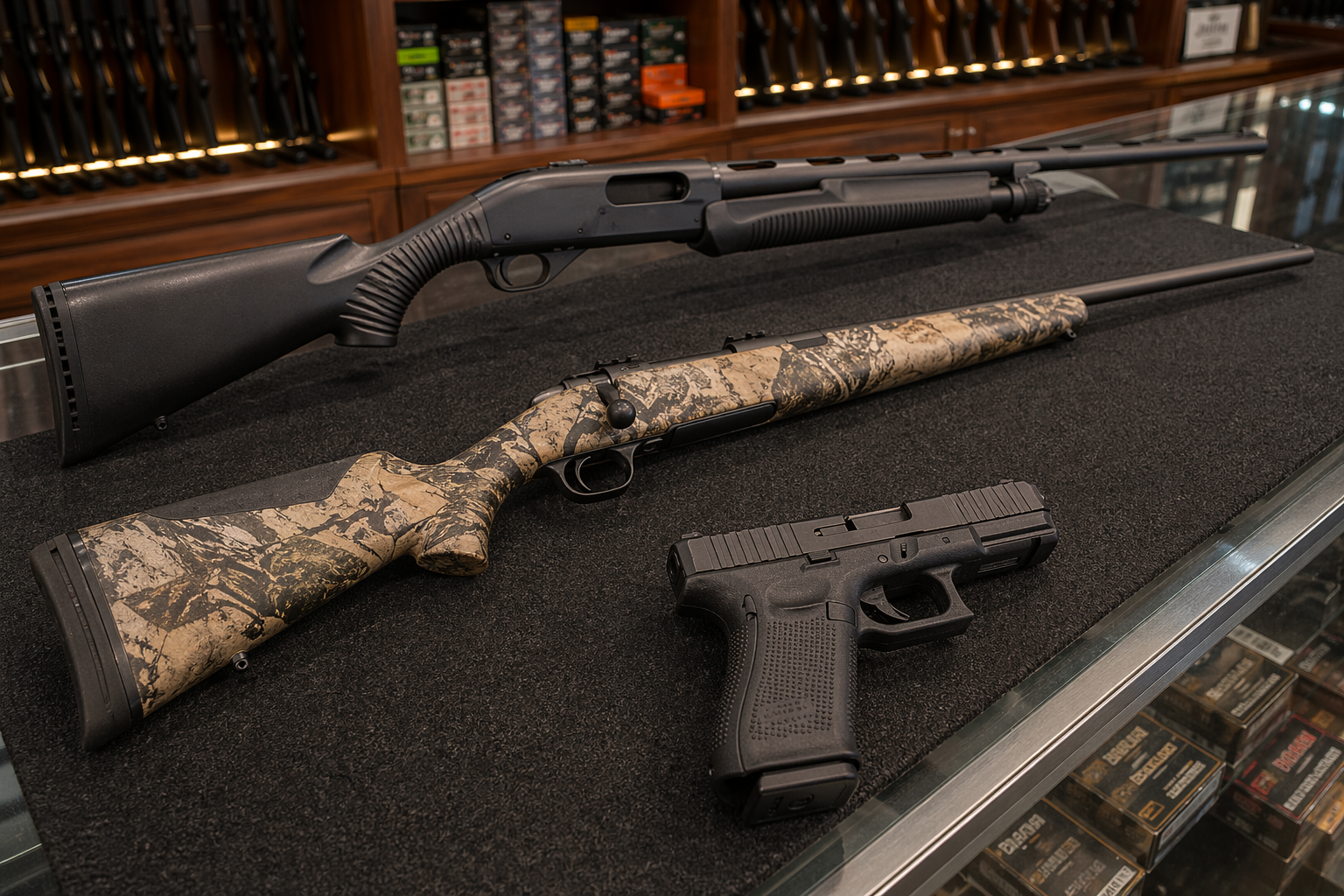
Best Certified Used Guns on Guns.com: Smart Buys That Skip the New-Gun Price Tag
Affiliate Disclosure: As an affiliate partner, Bark & Brass may earn a small commission if you buy through our links. It does not cost you extra, and it helps keep the lights on, the coffee hot, and the dogs mildly spoiled.
If you have ever looked at a new gun price tag and thought, “Well that escalated quickly,” you are not alone. A lot of shooters want something reliable, proven, and worth the money, but they do not necessarily need factory-fresh cardboard, untouched foam inserts, and that new-gun smell. That is where Certified Used guns on Guns.com start making a whole lot of sense.
The smart play is not always buying brand-new. Sometimes the better move is buying a gun that has already taken the depreciation hit, has been inspected, and still has plenty of life left in it. That is the lane Certified Used lives in. It is the middle ground between gambling on a mystery used gun and paying full freight for something new.
This guide breaks down what Certified Used means, why it matters, who it makes sense for, and how to shop it without doing something dumb. We will also walk through what to look for when your transfer arrives, which gun categories make the most sense to buy used, and where Certified Used beats both bargain-bin used guns and full-price new ones.
Why Certified Used Guns on Guns.com Make Sense
Quick Answer
Certified Used guns on Guns.com are worth a serious look if you want better value than buying new, more confidence than buying random used, and a safer middle ground for carry guns, home-defense guns, hunting rifles, and range guns. For many buyers, Certified Used is one of the smartest ways to stretch a gun budget without dropping into “hope this thing works” territory.
Quick View: Why Certified Used Matters
| Factor | Why It Matters | Bottom Line |
|---|---|---|
| Price | Used guns usually cost less than brand-new versions. | You can often move up in brand or model quality without wrecking the budget. |
| Confidence | Certified Used adds more peace of mind than buying a random used gun. | This is the “save money without rolling dice” lane. |
| Condition | Cosmetic wear is normal, but function is what matters most. | A little holster wear is not the end of civilization. |
| Use Cases | Carry, home defense, hunting, training, and range use all fit well. | Certified Used works for both practical buyers and collectors of good deals. |
| Value | Depreciation already happened. | You are paying for the gun, not the bragging rights of peeling the sticker off the box. |
What “Certified Used” Really Means
A lot of people hear the word used and immediately picture a beat-up gun with mystery mileage, mystery maintenance, and the emotional energy of a pawn shop flashlight. That is the wrong picture for this conversation.
Certified Used is supposed to mean you are not just buying a previously owned firearm and hoping for the best. You are buying a gun that has already been evaluated, graded, and presented as a better-quality used option. That matters because not all used guns are equal. Some are clean, mechanically solid, and barely shot. Others were clearly “loved” in the same way a rental car is loved, which is to say not much.
The whole point of a Certified Used lane is to cut down the guesswork. That is the value. It is not magic. It does not turn a used gun into a new one. It simply narrows the risk and gives the buyer a more controlled buying experience.
That is why this category works so well for people who want to save money but do not want to buy blind. If you are the kind of person who likes value but also likes sleeping at night, this is your lane.
Why Certified Used Guns Make So Much Sense Right Now
For a lot of buyers, the gun market has turned into a constant math problem. Ammo is not always cheap. Accessories add up fast. Optics, holsters, slings, mags, and cases all come with their own price tags. By the time you finish a full setup, the “cheap” gun was not cheap anymore.
That is exactly why the Certified Used category deserves attention. It gives you a way to put more of your money into the overall setup rather than dumping every dollar into the sticker price of the gun itself.
Maybe that means buying a better optic instead of settling for the cheapest one on the shelf. Maybe it means grabbing more mags, better defensive ammo, a cleaner sling, or some actual range time. Maybe it just means not feeling like your wallet got body-slammed by a folding chair.
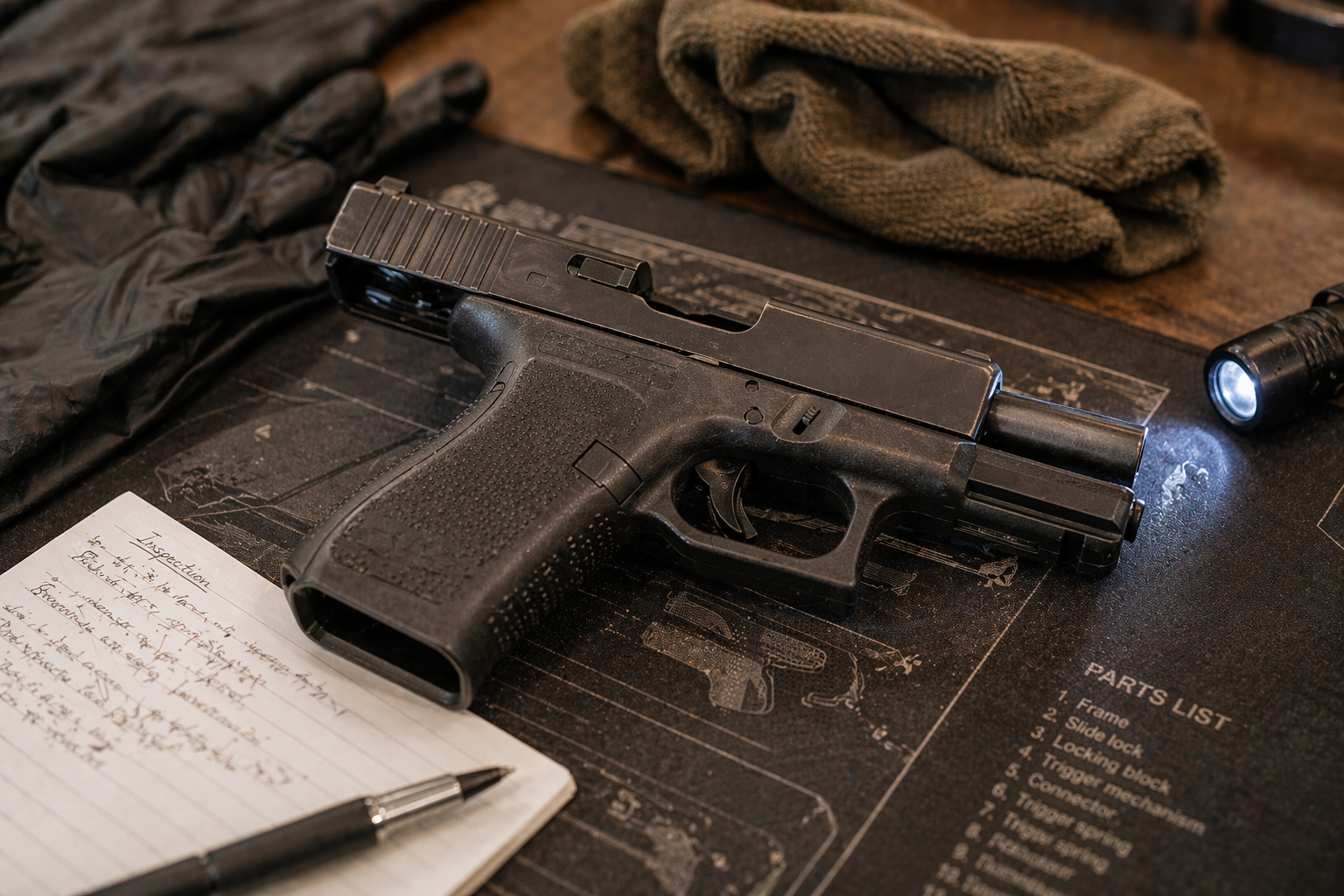
The other reason it makes sense is this: many modern firearms are durable as hell. A quality pistol, shotgun, or rifle that has been used but not abused can still have years and years of useful life left in it. A bit of finish wear does not mean the gun is worn out. In many cases, it means somebody carried it more than they shot it.
That matters a lot with pistols, especially duty-style handguns and common carry guns. A used Glock with honest holster wear and a clean mechanical bill of health is still a Glock. A used Smith & Wesson M&P that has seen range use but remains solid is still a capable gun. The same basic logic applies to plenty of hunting rifles and shotguns too. Mechanical condition is king. Cosmetic perfection is nice, but it does not stop a charging bill.
Certified Used vs Standard Used vs New
Here is the simplest way to think about it. Buying new is about maximum freshness and minimal unknowns. Buying standard used is about price and opportunity, but with more variability. Buying Certified Used is the middle path. You are still saving money, but with more structure and more buyer confidence.
| Category | Price | Condition Certainty | Best For | Potential Downsides |
|---|---|---|---|---|
| New | Highest | Highest | Buyers who want untouched condition and full-price retail confidence | More expensive, fastest depreciation once purchased |
| Standard Used | Lowest | Most variable | Experienced buyers comfortable evaluating condition and risk | More guesswork, more variation in presentation and condition |
| Certified Used | Middle | Higher than ordinary used | Buyers who want value and peace of mind | May cost a bit more than the cheapest used listings |
The Big Pros and Cons of Buying Certified Used
✅ Pros
- You can save real money compared to buying new.
- You get more confidence than buying a random used gun.
- The category is great for practical buyers who care more about performance than box-fresh cosmetics.
- It can open the door to better brands or better models that might be out of budget when new.
- Minor cosmetic wear usually does not hurt real-world usefulness.
- It is a strong fit for carry guns, range guns, home-defense guns, and hunting guns.
- You can often build a better overall setup because more money stays in your pocket for ammo and accessories.
❌ Cons
- You are still buying used, so cosmetic perfection is not guaranteed.
- Inventory changes constantly, so the exact model you want may not always be available.
- A Certified Used gun may cost more than the very cheapest used option.
- Some buyers simply prefer brand-new and will never love the idea of used.
- Specific finishes, variants, or configurations may be harder to find.
- You still need to inspect the gun at transfer like a responsible adult, not like somebody buying a toaster.
What Kinds of Guns Make the Best Certified Used Buys?
Not every firearm category makes equal sense as a used purchase. Some categories absolutely shine in the Certified Used space, though, and those are the ones smart buyers should pay attention to first.
1. Carry Pistols
Carry pistols are one of the best places to look. Why? Because there are so many good models floating around in the market, and many of them get carried far more than they get shot. That is especially true for proven models from Glock, SIG Sauer, Smith & Wesson, Springfield Armory, Walther, and others.
If you are looking for a carry gun, Certified Used can help you step into a better pistol for the same money you might otherwise spend on a lesser new gun. That can be a huge upgrade in long-term satisfaction. A better trigger, better ergonomics, better aftermarket, and a stronger reputation usually matter a lot more than whether you opened the box first.
2. Duty-Size and Home-Defense Pistols
Full-size pistols are another sweet spot. These guns are often extremely durable, supported by plenty of magazines and holsters, and easy to shoot well. If your goal is bedside duty, range work, or general-purpose defense, a Certified Used full-size pistol is one of the smartest values going.
In plain English, this is where you can get a lot of gun without lighting your credit card on fire.
3. Pump Shotguns
Used pump shotguns are often excellent buys because they are simple, proven, and extremely forgiving platforms. A shotgun with a little rack wear or light finish wear can still be an absolute workhorse. For home defense, truck use, backup use, or just an all-around practical long gun, this is a category that deserves a hard look.
4. Hunting Rifles
Hunting rifles can be great used buys, especially when you are looking for proven action types and chamberings with broad ammo support. A used bolt gun in solid condition can still give you years of deer camps, range sessions, and freezer-filling work. If you are the kind of buyer who would rather spend the savings on glass, rings, ammo, or a sling, this is a smart lane.
5. Rimfire Rifles and Plinkers
Rimfire guns also make a lot of sense in the used market. They are handy, useful, and often bought for fun, training, or teaching new shooters. A well-maintained used .22 can still be an outstanding pickup, especially if your goal is inexpensive practice and general utility.
How to Inspect a Certified Used Gun at Your FFL
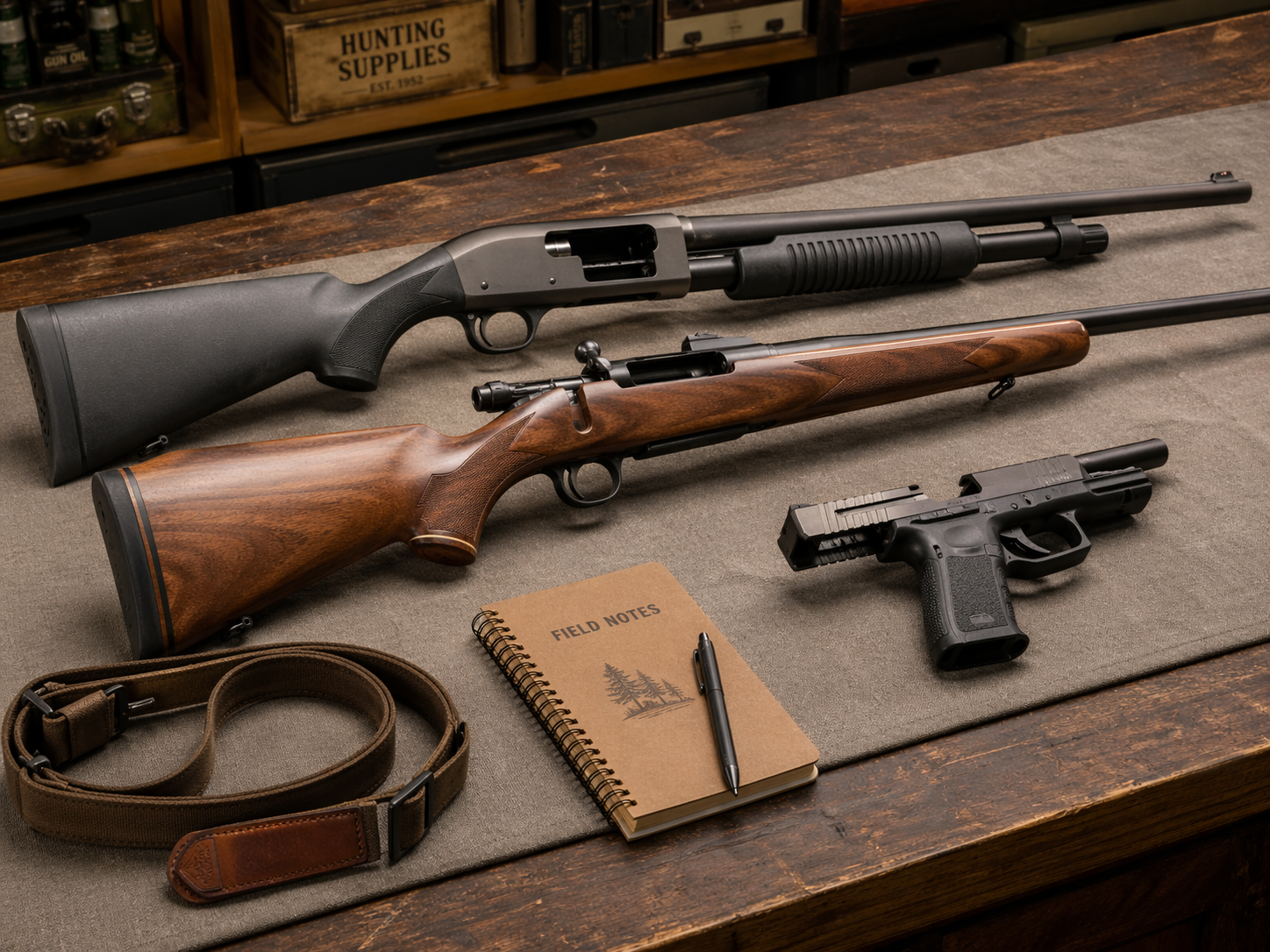
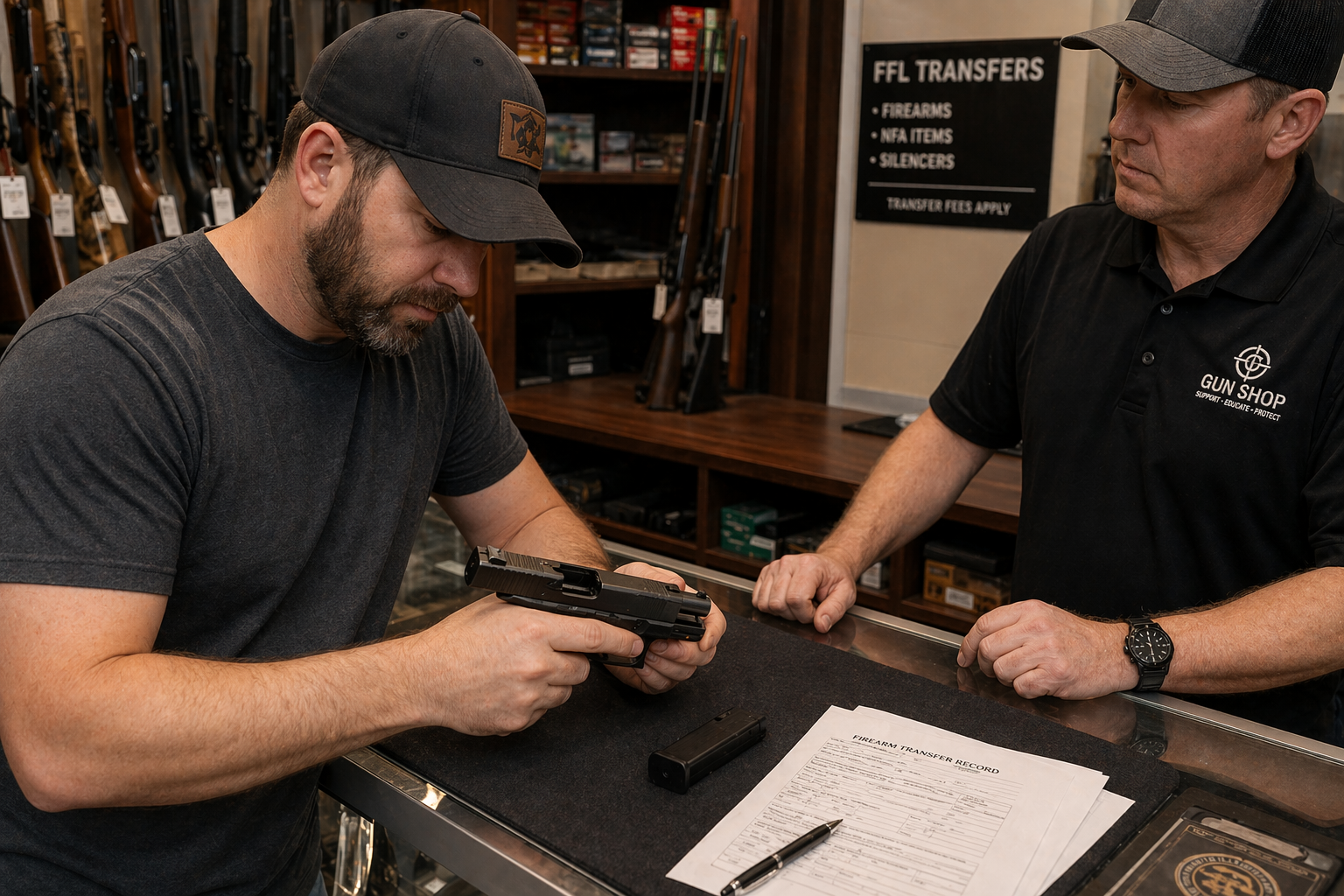
Even when you buy from a more confidence-inspiring category, you should still inspect the gun before completing your transfer. That is not paranoia. That is just common sense.
When the gun arrives at your dealer, slow down and actually look it over. Do not do the “yep looks cool” thing and sign off in twelve seconds. This is your chance to confirm that what showed up matches what you expected.
Check the Exterior
Look for finish wear, scratches, dings, and obvious signs of abuse. Honest wear is one thing. Weird damage is another. A little edge wear on a pistol slide is usually not a crisis. Deep gouges, battered screws, or obvious Bubba-grade nonsense deserve a closer look.
Check the Controls
Run the slide, safety, magazine release, cylinder latch, bolt, or action depending on the platform. You are not trying to conduct a full armorer course in the gun shop. You are checking for obvious function issues, weird stiffness, broken controls, or anything that feels badly off.
Check the Bore and Chamber
If possible, look down the bore with proper safety habits and dealer assistance. You want to see a bore that looks serviceable, not a sewer pipe from the underworld. A used gun does not need to be perfect, but the condition should match the category and the asking price.
Check the Sights and Mounting Areas
If it has irons, make sure they are present and not mangled. If it has optic cuts, rails, or scope mounting areas, inspect those too. Stripped screws or butchered mounting points are a great way to ruin your mood.
Check Overall Fit and Feel
If you are buying a carry gun or hunting gun, hold it like you mean it. Does it feel right? Does anything feel loose, beat, or just plain wrong? Your gut is useful here. Trust it.
| Inspection Area | What to Look For | What Is Usually Fine | What Should Raise Concern |
|---|---|---|---|
| Finish | Wear on edges, holster rub, light scratches | Honest cosmetic wear | Heavy rust, deep damage, signs of abuse |
| Action | Smooth cycling and normal control operation | Normal used feel | Binding, broken parts, obvious malfunction signs |
| Bore | Cleanliness and visible condition | Some fouling that can be cleaned | Severe neglect, corrosion, or damage |
| Sights / Mounts | Present, secure, not butchered | Normal minor wear | Loose sights, stripped screws, damaged optic cuts |
Who Should Buy Certified Used Guns?
Honestly, a lot of people. This is not a niche category just for hardcore bargain hunters. It fits more buyers than people think.
First-Time Buyers Who Want to Stretch the Budget
If you are new to guns, you are probably buying more than just the gun. You need mags, eye and ear protection, ammo, a case, maybe a holster, maybe a light, maybe a safe. That budget disappears fast. Certified Used can let you buy a better base gun while still having money left for the stuff that actually makes the setup complete.
Experienced Shooters Who Know Value When They See It
The more time you spend around firearms, the more you realize cosmetic perfection is not always worth paying extra for. Plenty of experienced shooters would rather get a mechanically sound used pistol with good bones than overpay for a brand-new one they are going to carry, train with, and wear anyway.
Hunters and Practical Outdoors Folks
A hunting rifle does not need to be emotionally untouched by human hands. It needs to be dependable. A used shotgun does not need to be a safe queen if it is going to live in the field, in a truck, or by the back door. Practical buyers tend to understand this faster than people shopping with their ego.
People Who Want a Second Gun Without Spending New-Gun Money
Need a backup carry gun? A range companion? A truck gun? A dedicated home-defense shotgun? Certified Used is one of the best places to fill a role without paying top shelf pricing.
Who Might Want to Buy New Instead?
Let us be fair here. Certified Used is not automatically the best answer for every single buyer.
If you absolutely must have untouched cosmetics, the newest SKU, the exact color, the exact optic-ready variant, and the complete original box experience, then new may still be the better fit. Some people simply enjoy buying new, and there is nothing wrong with that.
Likewise, if you are chasing a specific rare model or an exact configuration, the used market can be less predictable. Inventory changes. Great deals come and go. If your shopping list is painfully specific, patience becomes part of the job.
Still, for practical buyers who care about function and value more than cardboard freshness, Certified Used is usually the smarter conversation.
Common Mistakes People Make When Buying Used Guns
Focusing Too Much on Cosmetics
Yes, appearance matters. No, it is not everything. A little holster wear is not a red flag by itself. A scratched stock is not the end times. Condition matters, but function matters more.
Buying the Cheapest Thing Instead of the Best Value
The cheapest used gun is not always the smartest buy. Sometimes spending a little more gets you into a better model, better condition, or a cleaner buying experience. Value beats cheap when you actually plan to trust the gun.
Ignoring the Total Setup Cost
A gun is not just a gun. It is also magazines, ammo, optics, slings, lights, mounts, holsters, training, and storage. One of the best reasons to buy Certified Used is that it can leave room in the budget for the rest of the setup. If you spend every dime on the sticker price, you may end up under-equipped afterward.
Not Inspecting the Gun at Transfer
Even a solid buying category does not remove your responsibility to inspect the firearm. Take the process seriously. That little bit of extra attention can save you headaches later.
Certified Used vs Police Trade-Ins
This is a question a lot of buyers will have, especially if they have already started browsing around the used market.
Police trade-ins can be fantastic values, especially if you understand what you are looking at. They often show more obvious exterior wear, but many of them were carried more than shot. We have already dug into that side of the market in our Guns.com law enforcement trade-ins review, and it is worth a read if the duty-gun angle is what interests you most.
Certified Used is a little different. It is less about that specific police trade-in angle and more about a higher-confidence used category overall. If you want a broader lane of better-vetted used guns, Certified Used is the cleaner play. If you are a deal hawk specifically chasing duty pistols and law-enforcement surplus value, trade-ins might scratch that itch better.
| Feature | Certified Used | Police Trade-In |
|---|---|---|
| Main Appeal | Confidence plus value | Strong price-to-performance value, often on duty guns |
| Typical Condition Feel | Usually cleaner overall presentation | More obvious duty wear is common |
| Best Buyer | Buyer who wants used without as much guesswork | Buyer comfortable with more visible wear in exchange for value |
| Use Cases | Carry, defense, hunting, range, general use | Carry, defense, range, surplus-style value hunting |
Best Shopping Strategy for Certified Used Guns
If you want to shop smarter and not just scroll until your eyeballs quit, start with the role you need the gun to fill.
Need a carry gun? Focus on reliable compact and subcompact pistols with strong magazine support and common holster availability.
Need a home-defense setup? Look at full-size pistols or proven shotguns and save some of the money for a light, ammo, and practice.
Need a hunting rifle? Focus on common calibers and proven action designs, then put more money toward good glass.
Need a range gun or backup gun? That is where value shopping gets really fun, because cosmetic wear matters less and practical reliability matters more.
The point is simple: do not browse used inventory with no plan. That is how people end up talking themselves into something random just because it looked cool for fourteen seconds.
Frequently Asked Questions
Are Certified Used guns good for concealed carry?
Yes, they absolutely can be. In fact, a Certified Used carry pistol can be a smart move because carry guns often pick up cosmetic wear through normal use anyway. If the gun is mechanically solid and the platform fits your needs, buying used can be a great value play.
Is buying Certified Used better than buying the cheapest used gun I can find?
Usually, yes. The cheapest listing is not always the best value. Certified Used tends to make more sense for buyers who want savings without stepping too far into uncertainty.
Are cosmetic blemishes a big deal on a Certified Used gun?
Usually not. Light finish wear, minor scratches, and honest handling marks are common and often meaningless in terms of function. Mechanical issues matter a lot more than beauty-pageant scoring.
What should I do when the gun arrives at my dealer?
Inspect it carefully before completing the transfer. Look at the exterior, controls, bore, sights, and overall feel. Take your time. You are buying a firearm, not speed-running a checkout line.
Does Certified Used make sense for first-time buyers?
Yes, especially if budget matters. Many first-time buyers need to save room for ammo, mags, range gear, and accessories. Certified Used can be a very smart way to keep the budget under control while still getting a quality firearm.
Can buying used help me afford a better setup overall?
Absolutely. This is one of the biggest advantages. Saving money on the gun itself can leave room for the things that turn the gun into a complete, usable setup.
Final Verdict
Certified Used guns on Guns.com are one of the smartest ways to buy practical firearms without paying unnecessary new-gun prices. They make sense for first-time buyers, value-minded shooters, hunters, and anyone who would rather spend smarter than just spend more.
No, used is not the same as new. That is the point. But if you approach the category with realistic expectations, inspect the gun responsibly, and shop by role instead of impulse, Certified Used can be an excellent lane. It lets you skip a chunk of depreciation, still buy with confidence, and leave more room in the budget for ammo, optics, slings, lights, mags, or training.
That is a pretty good deal in the real world, where nobody gets bonus points for paying extra just to say they bought the box first.
Final Thoughts
If you are the type of buyer who likes making your money work harder, this category deserves attention. Certified Used is not about settling. It is about buying intelligently. And in a world full of overpriced gear and impulse purchases, that is a pretty refreshing change of pace.